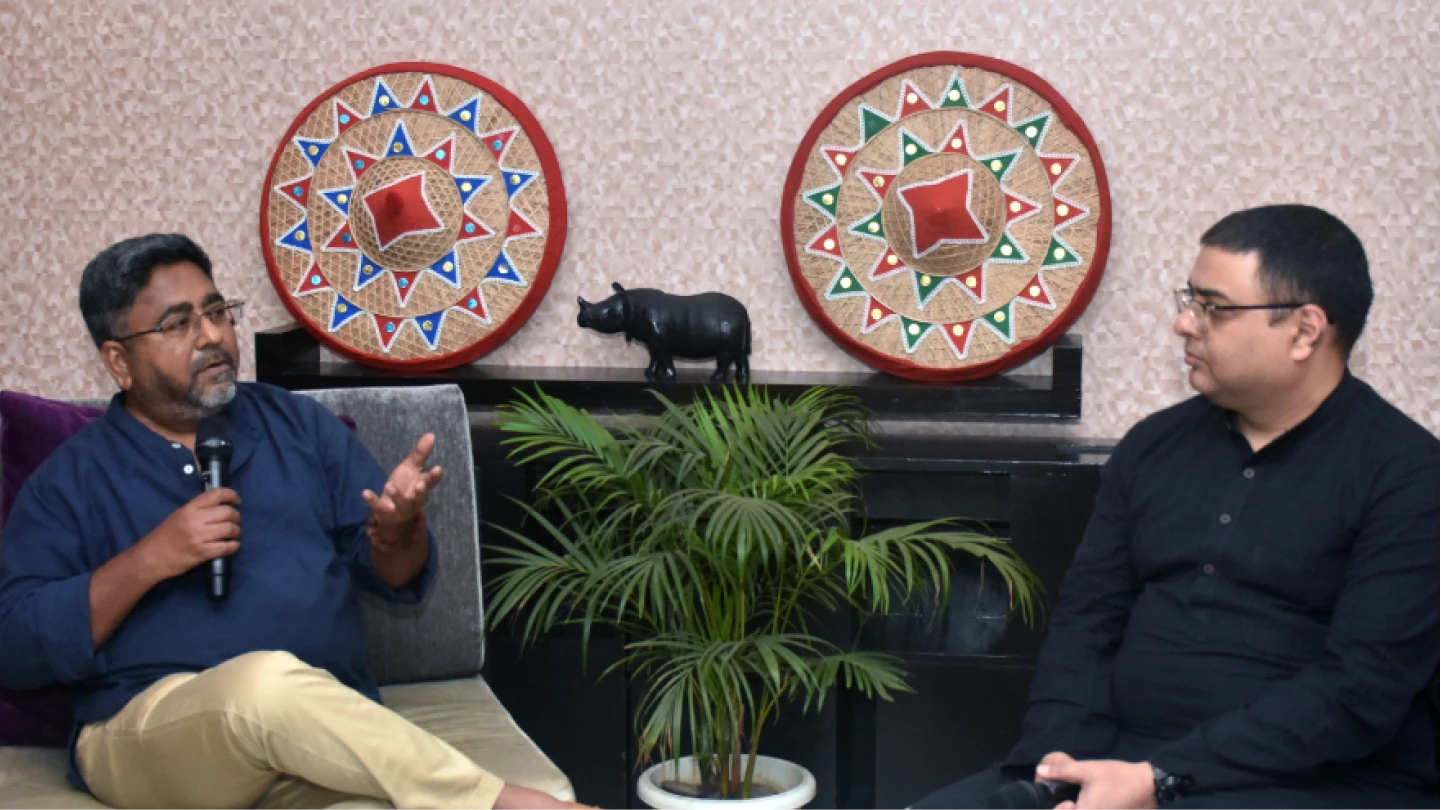
Chandrachur Ghose in Conversation at The Write Circle, Guwahati
The Inconvenient Nationalist
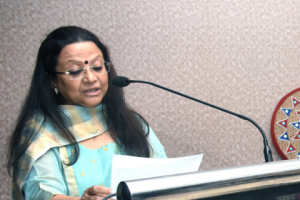
The Guwahati edition of The Write Circle, an initiative of the Prabha Khaitan Foundation, unfolded as an intellectually charged and deeply reflective evening, featuring author, columnist, and public speaker Chandrachur Ghose in an engaging dialogue with academic Dhurjjati Sarma. The evening commenced with a warm and thoughtful welcome address by Anindita Chatterjee, Executive Trustee of Prabha Khaitan Foundation, whose remarks framed the discussion within the Foundation’s larger commitment to critical discourse.
Professor Sarma opened the conversation with a nuanced contextual remark, noting that Ghose’s works deal with subjects “quite thought-provoking” and “having massive bearing on our present-day lifestyle, present-day living, present-day thought processes.” Turning to Ghose’s sustained engagement with Subhas Chandra Bose, Sarma posed the central question: Why call Bose “an inconvenient nationalist”? He framed the issue incisively: “Yes, there were tussles and disagreements between Sardar Patel, Nehru, and Gandhi, but somehow they all came together. But Netaji was really uncompromising.”
Ghose responded, “He was inconvenient because he was uncompromising,” Ghose stated firmly. “Everybody else had soft spots where they would step back from their stated goals, their stated principles. Bose would not. He would not compromise with his ideals, with his goals.”
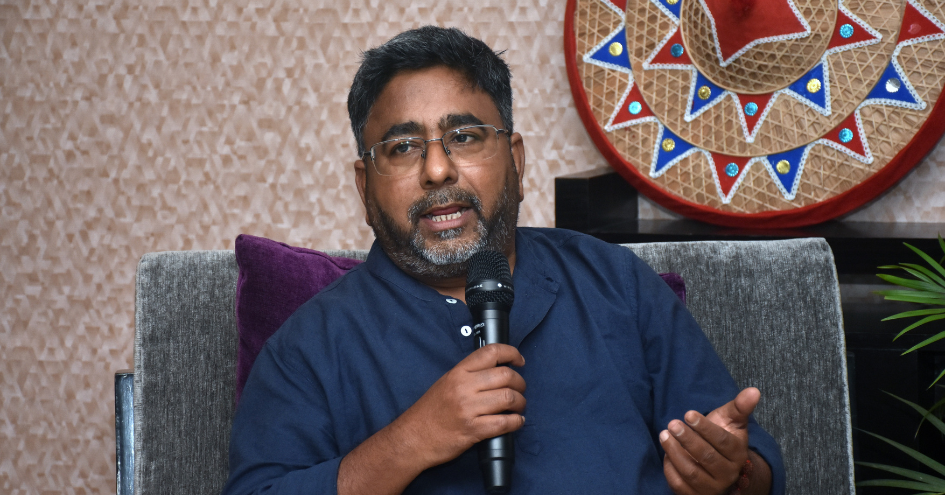
For Bose, he explained, independence was singular and non-negotiable. “When he set his goal for independence of India, there was no looking back. No negotiation. No giving space to the British Raj for talks.” This resolute approach inevitably led to conflict. “Getting into a clash with Gandhi meant getting into a clash with almost all of them,” he observed, referring to what he described as the “Gandhian coterie.” Leaders such as Sardar Patel, Rajagopalachari, and others, he argued, ensured that Congress remained within “Gandhian principles and Gandhi’s command.”
As Bose’s popularity grew, Ghose emphasized, his stature nearly rivaled Gandhi’s. “He is the only political leader in India’s history who handed over an electoral defeat to Gandhi. Nobody else has been able to do that.” The remark drew murmurs of recognition from the audience. Yet paradoxically, Bose built no singular political constituency. “He belonged to everybody,” Ghose remarked, invoking an English proverb: “What belongs to everybody belongs to nobody.”
Reflecting on Bose’s philosophical orientation, Ghose observed that while Gandhi and Nehru were “means-centric,” Bose was goal-centric. “What matters is our freedom,” he asserted, paraphrasing Bose’s position. “Their morality has no place there. What matters is our freedom.”