An Author’s Afternoon with D. Sivanandhan
Reflections on Crime, Power, and History
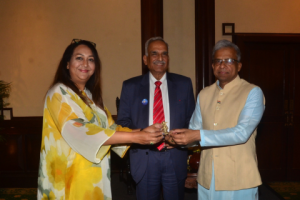
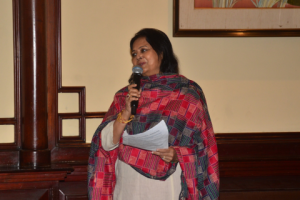
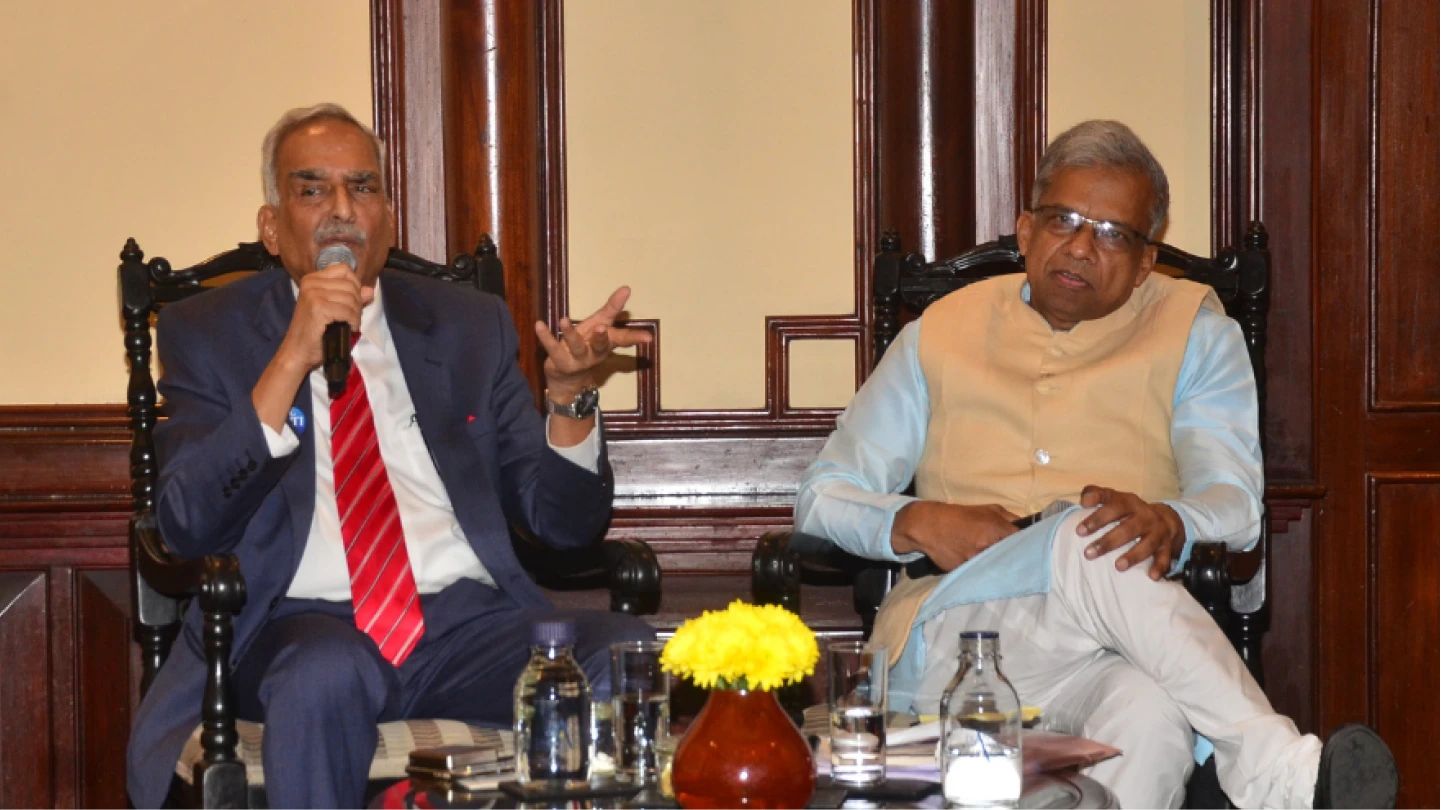
An evening marked by intellectual vigour and reflective discourse unfolded during An Author’s Afternoon, where author and former Director General of Police D. Sivanandhan engaged in a compelling conversation with entrepreneur Manoj Mohanka. The session commenced with gracious opening remarks by Gouri Basu, Ehsaas Woman of Kolkata, whose eloquence set an appropriately warm and dignified tone for the evening.
As the discussion progressed, the conversation turned toward one of the most formidable figures of India’s criminal underworld, Dawood Ibrahim. Sivanandhan, drawing upon decades of policing experience, offered a meticulous account of the criminal’s rise to power. Reflecting on the period surrounding The Emergency in India, he remarked with analytical candour: “time Dawood Ibrahim consolidated his position right so the emergency in many ways worked antithetical to the purpose that was set out.” The statement, though conversational in tone, revealed a sharp observation that a political episode intended to impose discipline upon the nation had, paradoxically, strengthened certain clandestine networks.
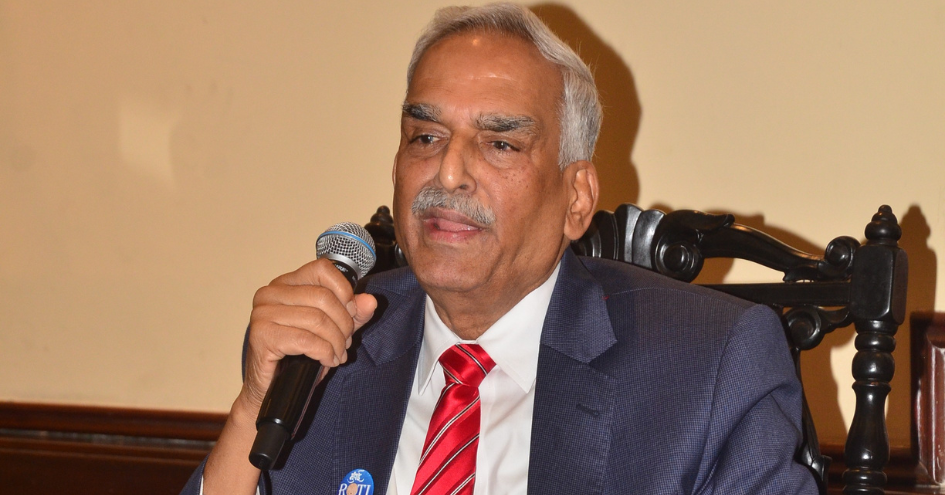
He continued by noting that from this point forward Ibrahim began experimenting with methods that were novel within the underworld hierarchy. “Then and from then on he began to follow what is called uh now known as a disruptive technology,” Sivanandhan observed. Elaborating further, he remarked, “he started doing things which were not previously done moving into other people’s territory etc etc.” The phrasing borrowed almost from the lexicon of modern innovation was striking. It conveyed how the underworld had begun to adopt strategic adaptability reminiscent of corporate disruption, albeit in a far darker domain.
The former police chief also recalled the moment that marked Ibrahim’s physical departure from India, a moment that would profoundly shape his later global operations. “In 1984 he left India and has not appeared on our soil since.”
The conversation then moved towards the early structure of Mumbai’s underworld. Sivanandhan described a surprisingly cooperative environment in its formative stages. “There was a very peaceful coexistence of the guys,” he explained. Figures such as Rajan Nair cultivated a curious reputation as local benefactors. As Sivanandhan vividly recounted, “Rajan madly used to be the Robin Hood by bringing that Ganpati pandal.”