An Evening with a Storyteller Who Writes for the Child and the Cosmos
A Symphony of Words, Worlds, and Wonder:
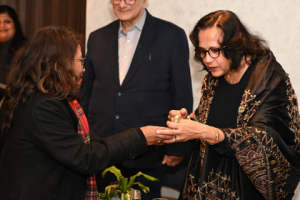
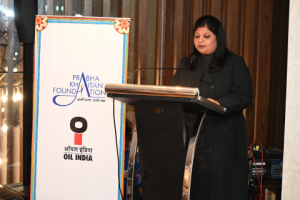
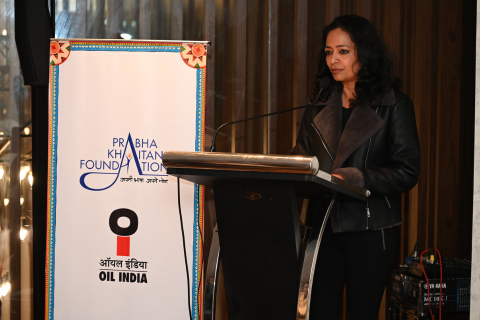
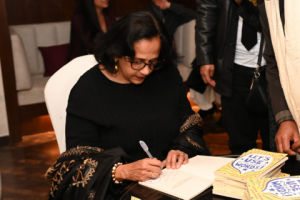
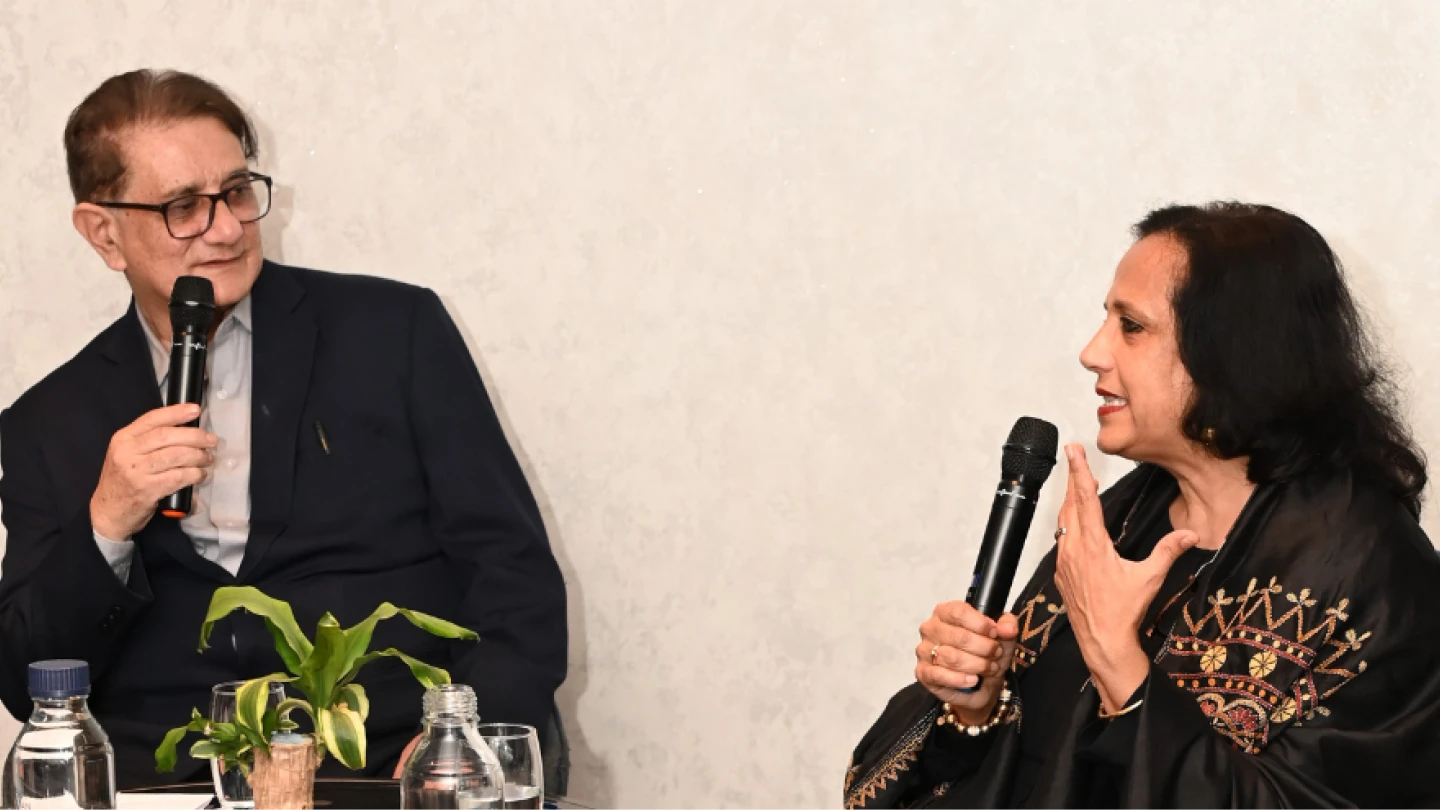
A remarkable edition of The Write Circle, an initiative of the Prabha Khaitan Foundation, unfolded in Shillong with author and poet Shobha Tharoor Srinivasan, who was in conversation with academic and scholar R. H. Duncan Lyngdoh. Jyoti Agarwal, Ehsaas Woman of Shillong offered a warm welcome to the evening.
From the outset, Srinivasan’s reflections carried the cadence of lived experience. Speaking of her early years, she recalled a childhood shaped less by constant travel and more by a deeply ingrained sense of identity and curiosity. Summers in Kerala, exposure to multiple cultures, and a household steeped in conversation all contributed to what she described as an instinctive attentiveness to language.
This sensitivity to language was closely tied to a broader philosophy of identity. Srinivasan spoke movingly of her father’s insistence that the family see itself not narrowly through regional identity but as Indian, and beyond that, as global. She recalled his “oft-repeated metaphor: that one should be equally adept at eating with one’s fingers from a plantain leaf and using cutlery at a formal Western table.” The image resonated deeply, encapsulating her belief in cultural fluency without erasure. “This worldview informs both in writing and my engagement with children today, who inhabit a world where a book read in Shillong may be the same one read in Stockholm. Beneath surface differences, human beings share the same emotional grammar; affection, longing, fear, and hope.”
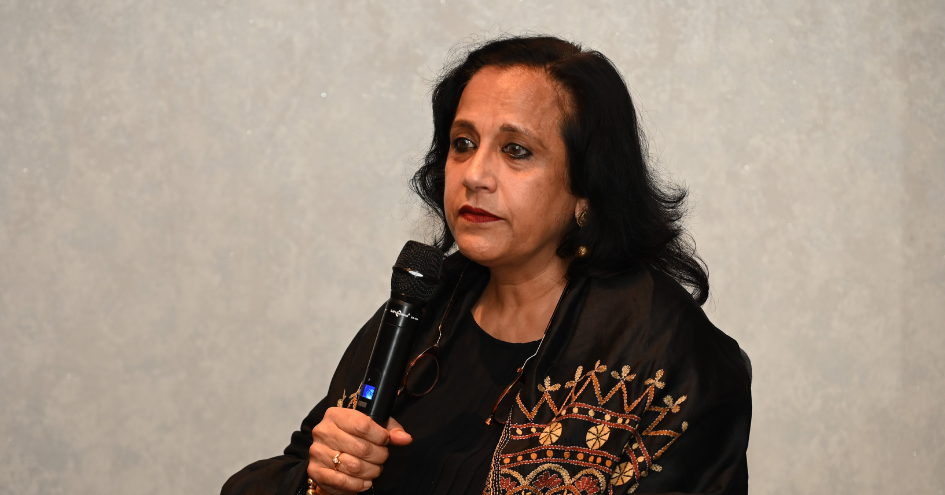
Her accounts of school visits across India and abroad offered vivid illustrations of how stories become starting points for dialogue. A perceptive child’s question about why a female elephant carries a sacred idol in one of her books opened, she explained, into a broader conversation on gender, equality, and representation. “Why can’t we have a female elephant?” she asked the children in return. “Why can’t we have a female prefect in your class? Such exchanges demonstrate that children are not resistant to complex ideas; they are simply waiting for them to be framed with imagination rather than instruction,” she suggested.
The dialogue then turned to her engagement with classical literature and global folklore. Though initially hesitant to retell ancient tales, Srinivasan embraced the opportunity by placing stories from different cultures side by side. Her guiding idea, “one world, many stories”, allowed children to see how myths echo one another across continents. Whether it was a Native American origin story or a tale from the Ramayana, the impulse to explain the world through narrative proved universal.